Online Mixing for Rock & Metal: What Happens After You Send Your Tracks?
You do not need to sit behind me in the studio to have a useful opinion about your own record.
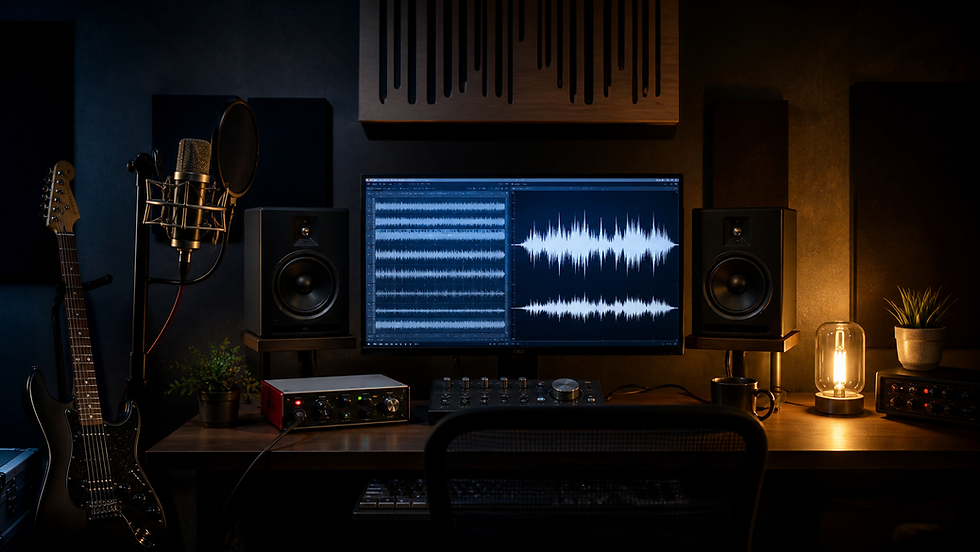
Online mixing lets you record wherever the performances happen best, then send the multitracks to a specialist who can finish the song remotely. For independent rock and metal bands, that might mean drums recorded in a local studio, guitars tracked at home, vocals cut in a rehearsal room, and the mix completed somewhere else entirely.
The geography is easy. The part artists understandably worry about is communication.
How do I know what you want? When do you hear the mix? What happens if something feels wrong? Here is how my online mixing process works from the first conversation to the final files.
Step 1: We talk about the song before I touch it
The first job is not EQ. It is understanding what you are trying to make.
I want to know:
What kind of release is this—a single, EP, or album?
Which part should command the listener's attention?
What do you love or dislike about the rough mix?
Are there creative effects that must remain?
Which artists or records live in the same sonic world?
Do you have a release date or other deadline?
This is also when I look for technical or production issues that could interrupt the mix later. If a vocal needs another take, a file is missing, or the drums require editing that was not discussed, it is better to discover that before the mix is underway.
For new clients, I offer a free assessment of one song. You get an honest view of what is ready, what may need attention, and the five changes likely to make the biggest difference.
Step 2: You send the multitracks, rough mix, and references
The multitracks are the individual audio files that make up the song: kick, snare, overheads, bass, rhythm guitars, lead guitars, lead vocal, harmonies, keyboards, effects, and anything else in the arrangement.
Every file should start from the same point on the timeline. That way, I can place them into a new session and everything lines up automatically.
Along with the multitracks, send:
Your latest rough mix
The song's tempo and sample rate
Two or three reference tracks
Notes about edits, effects, alternate takes, or priorities
Clean DI tracks for guitar and bass, if available
Do not strip away every effect before exporting. If an effect is part of the composition, send a printed version so I can hear the idea. You can also provide a dry version for flexibility.
For a detailed checklist, see Editing with Precision: Cleaning Up Tracks Before They Hit the Mix.
Step 3: I prepare and inspect the session
Before creative mixing begins, I organize the material and make sure the session behaves correctly.
That includes checking file alignment, routing, phase relationships, noise, edits, and the condition of important tracks. I compare the multitrack playback with your rough mix to confirm that nothing disappeared during export.
This stage matters. A mislabeled guitar, missing vocal double, or reversed drum polarity can send the mix in the wrong direction before the first creative decision is made.
If I find something that needs your input, I ask. I do not quietly guess which of six lead-guitar takes you intended to use.
Step 4: I build the first mix around the song
Rock and metal mixes need power, but power does not come from making every track enormous.
The kick and bass need a relationship. The guitars need weight without swallowing the vocal. The snare needs impact without turning the cymbals painful. The vocal needs authority while still belonging to the band.
I build those relationships with balance first, then use EQ, compression, saturation, reverb, delay, editing, and automation where the song needs them. Some decisions solve problems. Others create excitement.
Automation is particularly important. A static balance may work for one verse and fall apart when the arrangement opens into the chorus. The mix should move with the song: lifting a phrase, exposing a guitar line, controlling a cymbal buildup, or pushing the final chorus harder without simply making the entire track louder.
The first mix is not a technical preview. It is my complete interpretation of the direction we discussed.
Step 5: You listen somewhere familiar
When the first mix is ready, listen on systems you know.
Good places include:
Your normal headphones
Your car
Your home speakers
A small Bluetooth speaker
The system where you usually hear your favorite records
Do not judge it from ten seconds on a phone speaker and start writing notes immediately. Listen to the whole song once. Let your first reaction happen before you analyze details.
Then compare it with the goals we established. Does the chorus arrive? Is the vocal telling the story? Does the low end feel powerful rather than merely loud? Does the track still feel like your band?
Step 6: We handle revisions clearly
Revisions are normal. They are not evidence that the mix failed.
Your relationship with the song is deeper than mine. You may know that a harmony has to appear in the second verse because it connects to another song on the album. You may prefer a dirtier vocal, a drier snare, or more of the guitar texture beneath the bridge.
The most useful notes describe your experience:
“The lead vocal feels too far away in the verses.”
“The chorus does not lift enough compared with the pre-chorus.”
“The bass loses its aggression when the guitars enter.”
“The delay on the last word distracts from the guitar entrance.”
You do not need to prescribe a frequency or plugin setting. Tell me what you hear and what you want to feel. I will work out the technical move.
Collect notes from the band into one list whenever possible. Five members sending conflicting messages across three platforms is how a one-line change becomes a week of confusion.
Step 7: I deliver the approved mix
Once you approve the mix, I prepare the final high-resolution files. The exact versions depend on the project and whether I am also mastering the song.
The final mix should be ready for its next destination, clearly labeled, and free of last-minute mysteries. If I am mastering it too, the approved mix moves into a separate finalizing stage so I can check level, tonal balance, sequencing, and delivery formats.
My current standard mixing service includes up to five revision rounds and a typical turnaround of five to seven business days per song. You can see the current details and project packages on the Milbourne Sound pricing page.
Remote should not mean disconnected
Online mixing works when the process is clear and the conversation stays human.
You bring the performances, the rough mix, and the intent. I bring fresh ears, a controlled listening environment, technical judgment, and years of experience making loud music work onstage and in the studio.
The result should not sound like I replaced your band with my preferences. It should sound like your song finally arrived where you were trying to take it.
Ready to find out what your recordings need? Send me one song for a free, no-obligation assessment. I will listen and give you my five most important recommendations.
Previous: Can Home-Recorded Tracks Sound Professional? Next: How to Choose Reference Tracks for a Rock or Metal Mix